Key takeaways
- The attic floor is the most important and easiest place to insulate.
- Check depth, evenness, damage and air leaks.
- Keep soffit vents clear with baffles.
- Do not bury recessed lights, flues and bath fan ducts without the right covers.
What to look for
Open the hatch and look. If you can see the tops of the joists, there is likely too little insulation. Look for bare patches, compressed areas, dirt trails, droppings, stains and loose pieces. Look for gaps around the hatch and the eaves.
A tape measure shows depth. Most attics should have well over a foot of loose-fill insulation to reach current targets.
Depth and type
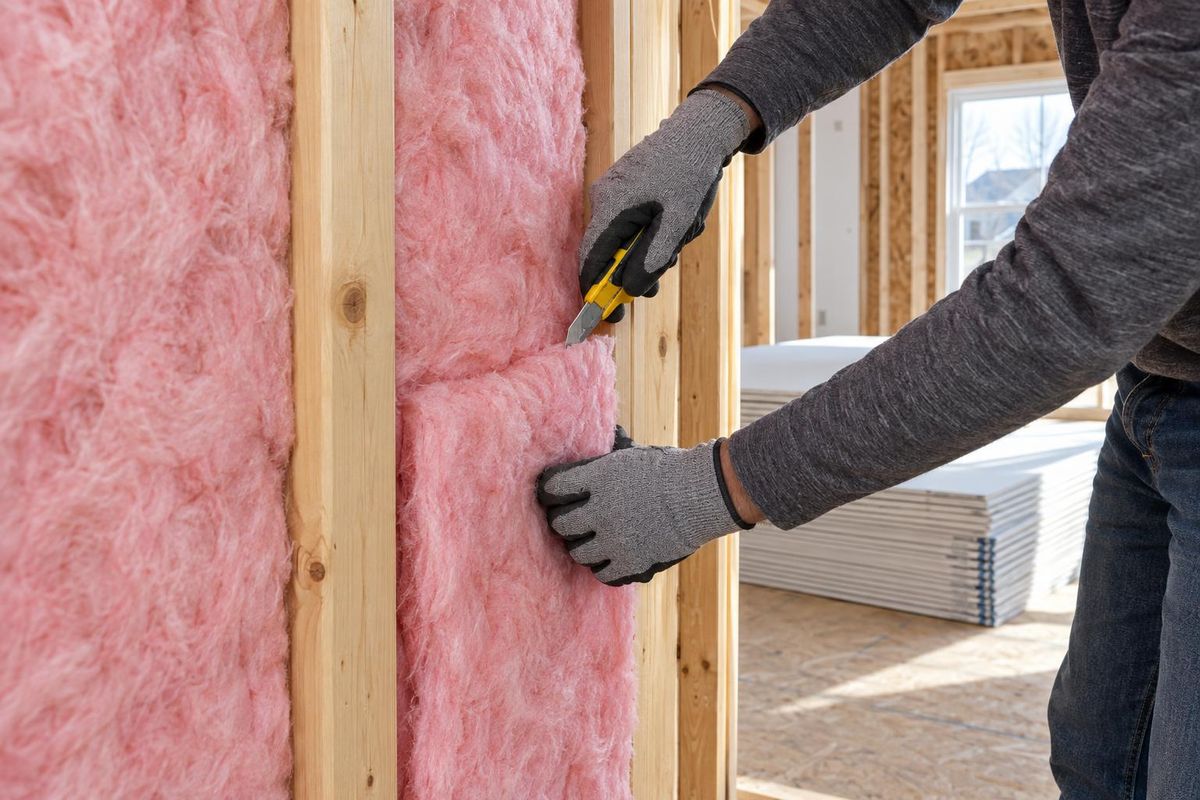
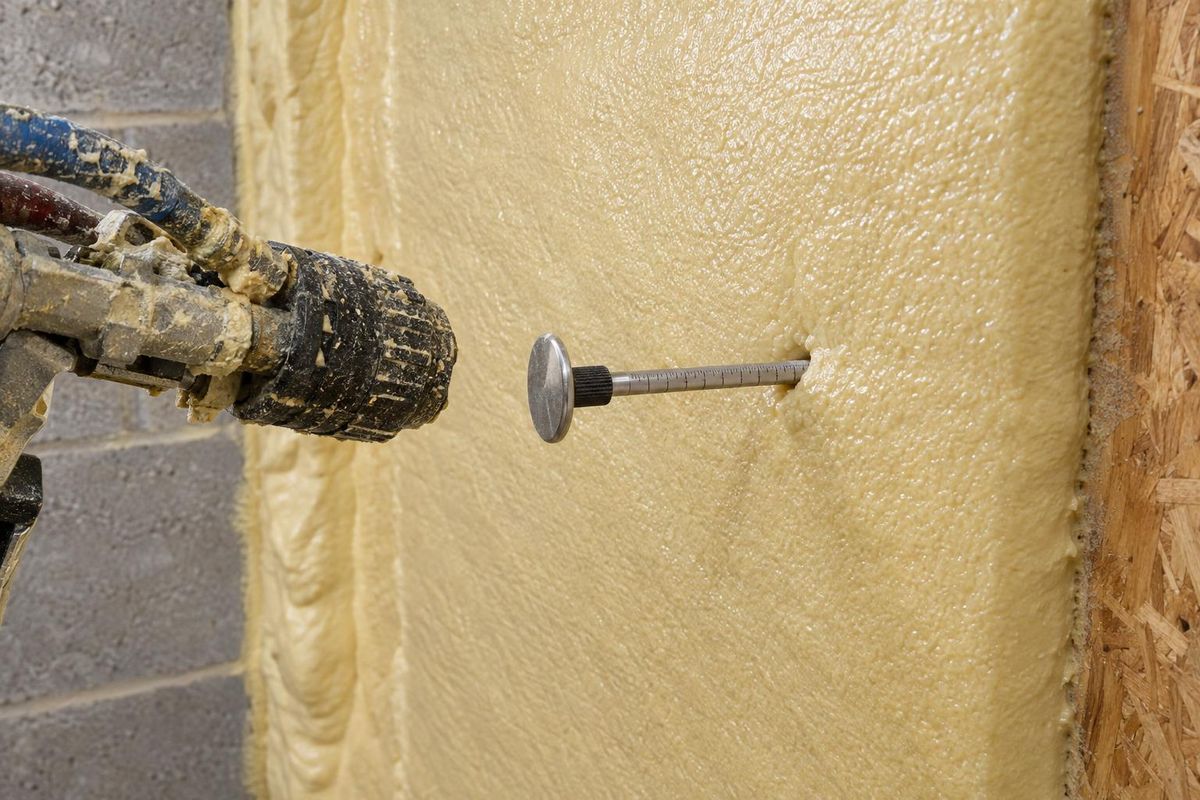
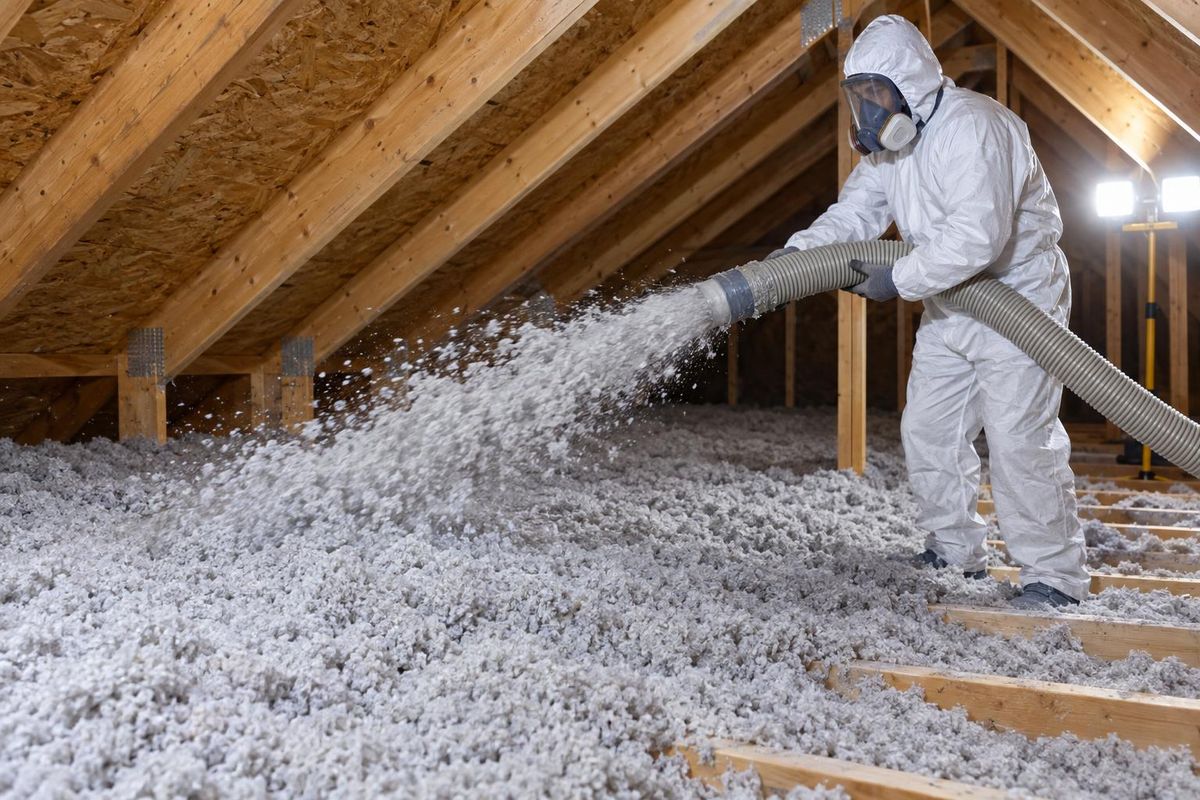
Blown-in loose-fill is the usual choice, because it fills the whole floor evenly. Batts can work in open framing. Spray foam on the roof deck is an alternative that brings the attic inside the thermal boundary.
Target R-values depend on the code and your goal. An installer will recommend a depth and show you depth markers.
Details that matter
Baffles at the eaves keep soffit vents open. Recessed lights and flues need covers or clearances. Bath fans and range hoods must vent outside, not into the attic. The attic hatch needs weatherstripping and an insulated cover.
These small details are often what separates a good attic job from a poor one.
When to remove old insulation
Old insulation can stay if it is dry and clean. If it is wet, moldy, soiled by animals or soaked with smoke, it should be removed before new insulation is added. Some old vermiculite insulation can contain asbestos, so do not disturb it.
Ask your installer how they handle removal and protect your home.
Quick answers
How can I tell if my attic needs more insulation?
If joists are visible or the layer is thin, uneven or compressed, you likely need more.
Can I walk in my attic?
Walk on the joists, not the insulation, and be careful of wiring and the ceiling below.
Should I insulate over old insulation?
Yes, if it is dry and clean. Otherwise remove it first.