Key takeaways
- Open-cell is soft, light and good for sound and interior walls.
- Closed-cell is dense, moisture-resistant and adds strength.
- Thin spaces and damp areas favor closed-cell.
- Both seal air, which is the main reason people choose foam.
Open-cell foam
Open-cell foam has tiny cells that are not sealed, so it is soft, light and flexible. It expands a lot, fills cavities completely and absorbs sound. It lets some water vapor through, so it is not used where moisture is a concern.
It is a good choice for interior walls, ceilings, sound control and many unvented attic roof decks.
Closed-cell foam
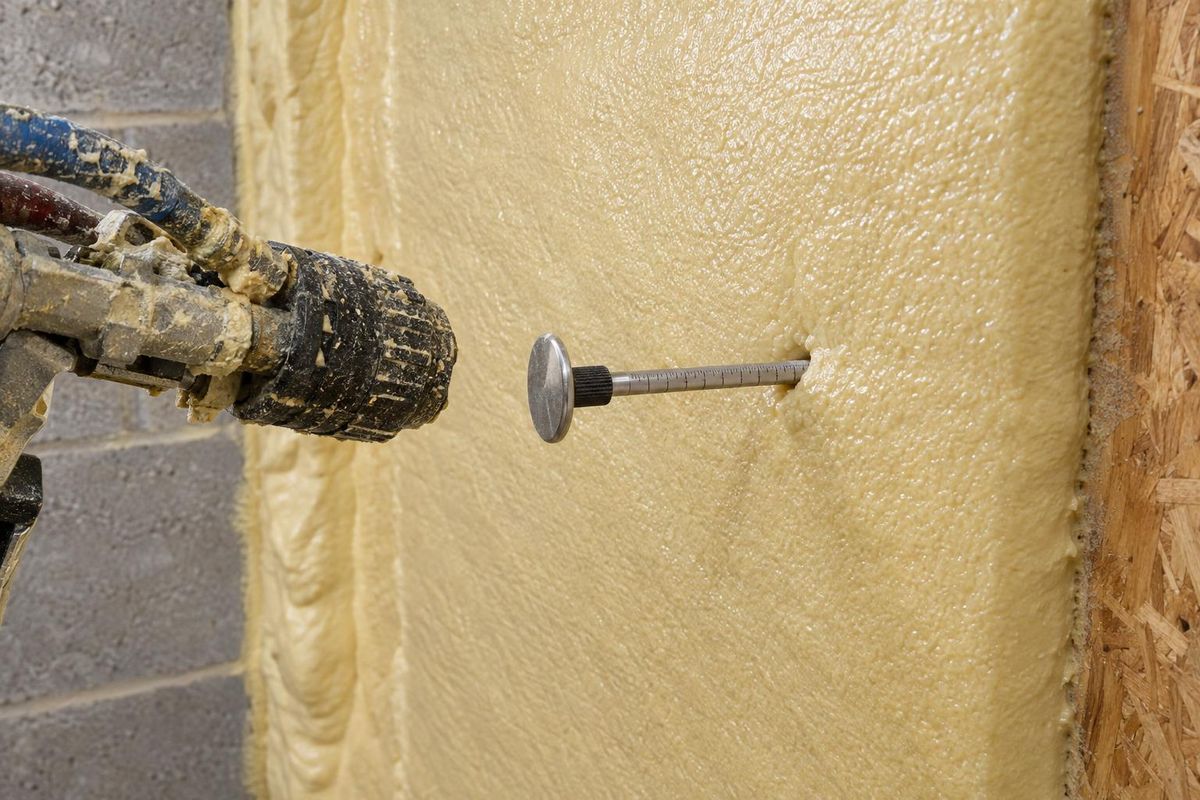
Closed-cell foam has sealed cells, so it is dense, stiff and holds its shape. It gives a higher R-value per inch, resists moisture and adds rigidity to the surface it covers.
It is a good choice for crawl space walls, rim joists, metal buildings, basement walls and places where space is tight.
How they compare in practice
Open-cell is usually applied thicker and is lighter and less dense per inch, while closed-cell is thinner and stronger. Open-cell is better for sound, and closed-cell is better against moisture. Both need a fire-rated covering in some places.
Which one you choose depends on the space, the moisture, the code and the goal.
Safety and curing
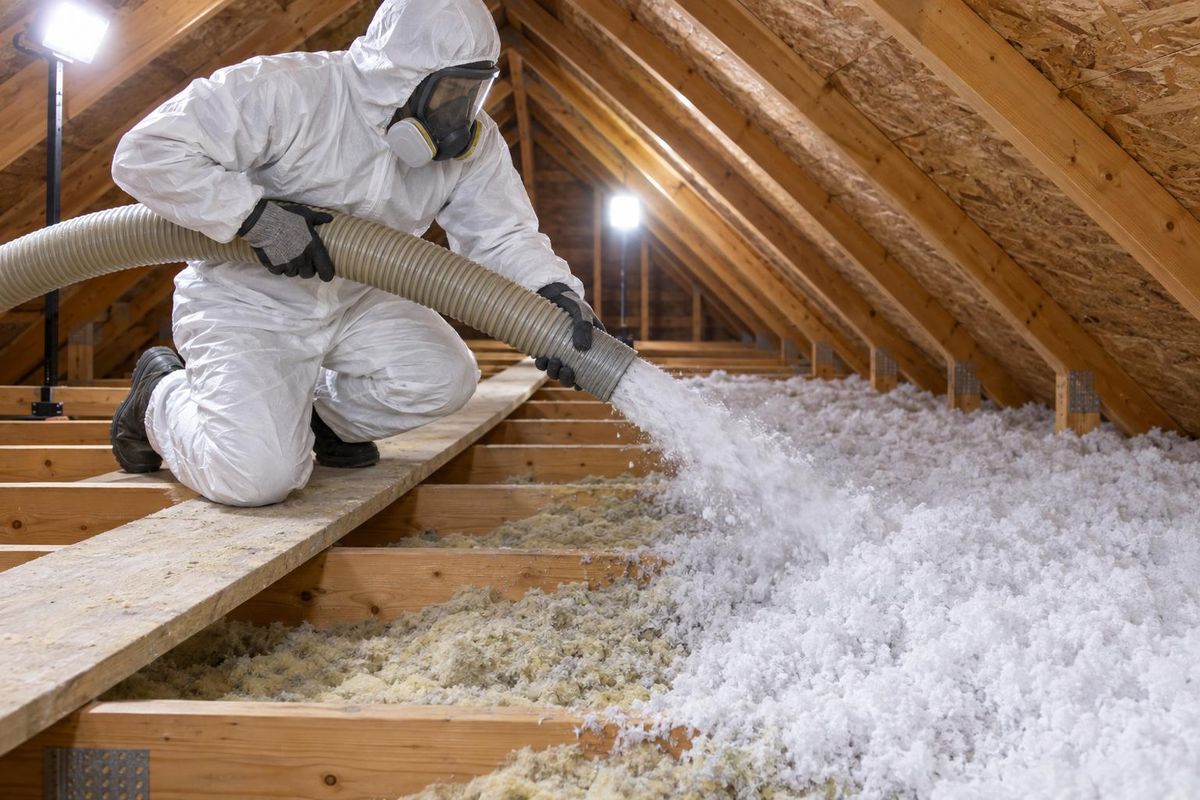
Foam is installed by trained crews in protective gear, and the home must be vented and cleared during the work. Once cured, it is stable. Always follow the installer's instructions about re-entry time.
Ask your installer about ventilation and the covering required over the foam.
Quick answers
Which foam is better for an attic roof deck?
Either can work. The choice depends on the roof, the climate and the moisture. We review the roof before we choose.
Can foam trap moisture in wood?
Foam is applied to dry wood. A moisture check comes first.
Does foam need a fire covering?
In many cases yes, especially where exposed in living or storage areas. Your installer will explain what is needed.