Key takeaways
- Vented attics need air in at the eaves and out at the ridge.
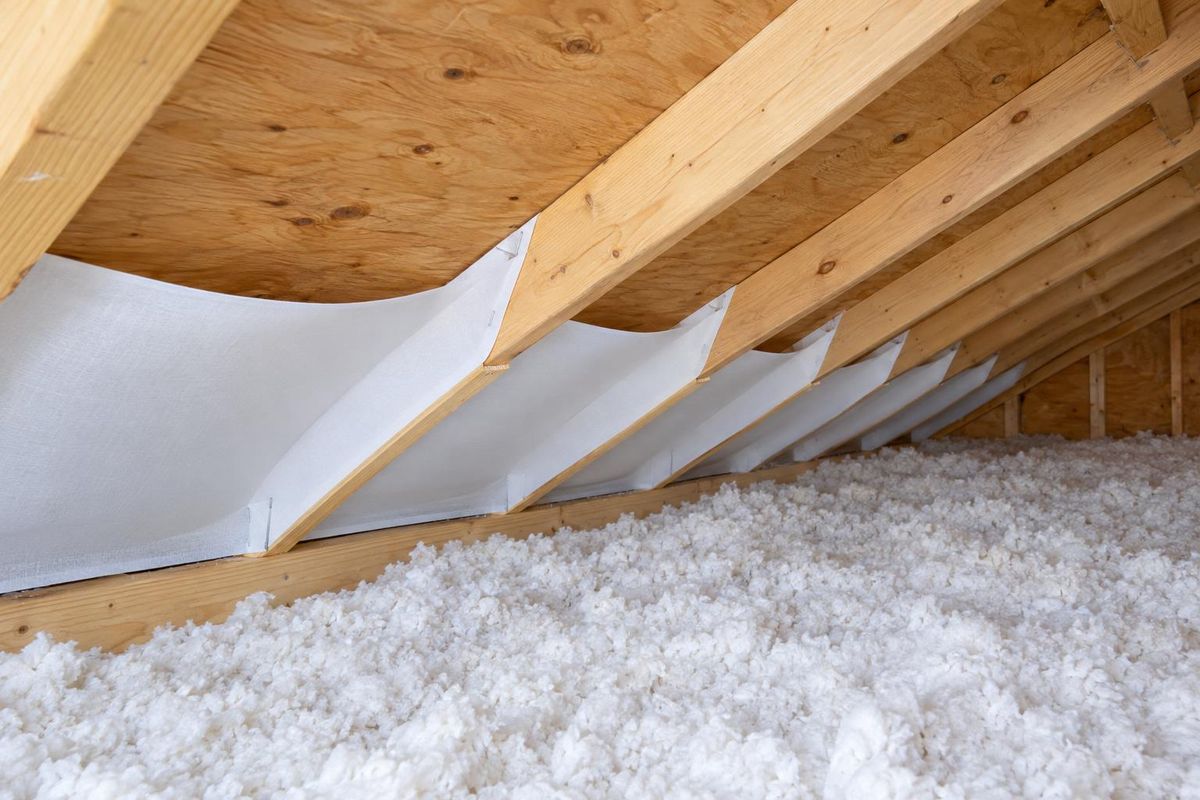
- Baffles keep insulation from blocking soffit vents.
- Bath fans and dryer vents must exhaust outside, not into the attic.
- Sealed spray-foam attics work differently and do not use vents.
How a vented attic works
In a vented attic, cool air enters at the soffits, flows up under the roof deck and exits at the ridge or gable vents. That air carries away heat and moisture and keeps the roof deck cooler. It only works if the intake and exhaust are both clear.
Blocked soffit vents are one of the most common ventilation problems after new insulation is added.
Baffles and clearance
Rafter baffles hold insulation back from the eaves and keep an air channel open. Without them, loose-fill can slide over the soffit vents and block them. Baffles are simple and fast to install.
They should be installed before the new insulation goes down.
Moisture sources
Bath fans, kitchen hoods and clothes dryers must vent outside through a proper duct. Air leaks from the house also carry water vapor into the attic, where it condenses on cold surfaces in winter. Stained rafters, rusty nails and damp insulation are signs.
Air sealing the attic floor reduces how much moisture gets in.
Sealed attics
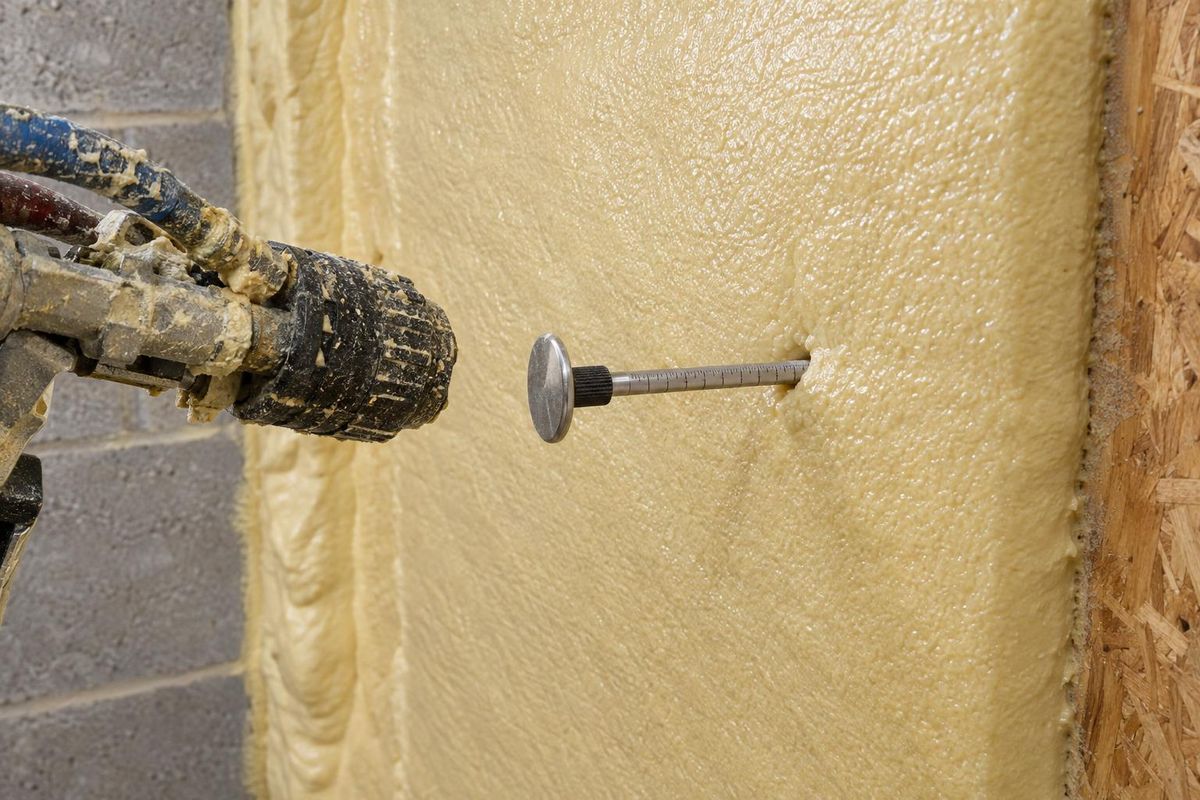
A foamed roof deck brings the attic inside the thermal boundary, so the vents are closed off. This approach has its own rules for roofing, combustion appliances and moisture. Your installer should explain them before work begins.
Never mix the two approaches in one attic without a plan.
Quick answers
Do I need a ridge vent and soffit vents?
A vented attic needs balanced intake and exhaust. An installer can check yours.
Why are my attic nails rusty?
Warm, humid air leaking into the attic and condensing on cold nails is the usual cause.
Should I add a powered attic fan?
Often not. They can pull conditioned air from the house. Air sealing and balanced vents come first.