
Key takeaways
- One hot or cold room usually has a specific cause.
- Cold floors point to the crawl space or garage below.
- High bills, drafts and dust can signal air leaks.
- An audit tells you what to fix first.
Rooms that never feel right
A room that is too hot or cold compared with the rest of the house usually has more exposed surface, less insulation or less airflow. Bonus rooms over garages, rooms at the end of a duct run and upstairs rooms under thin attic insulation are classic examples.
Note which rooms and which seasons are worst.
Floors, walls and ceilings
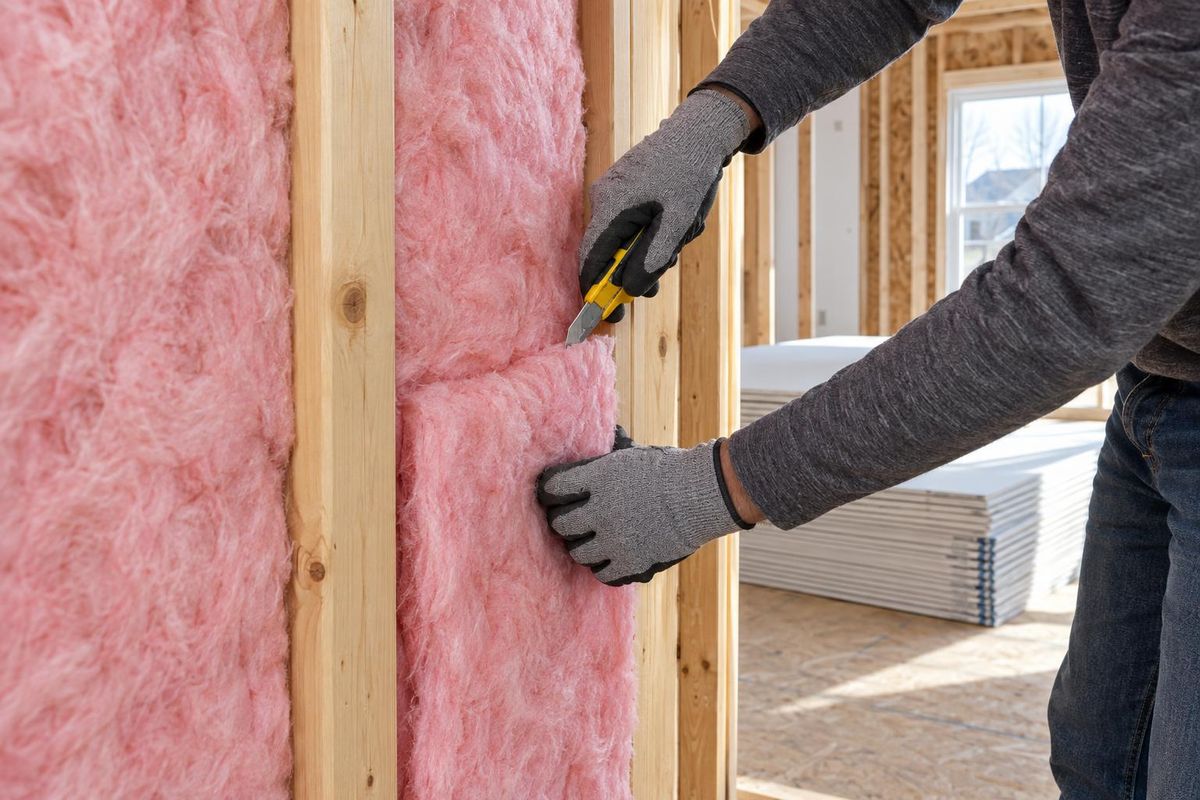
Cold floors in winter point to an uninsulated or leaky crawl space or garage. Walls that feel cold or damp point to missing insulation or air leaks. A ceiling that feels warm in summer points to a thin attic layer.
Frost lines on rafters or bare roof deck on a cold morning also suggest air leaks into the attic.
Drafts, dust and bills
Persistent drafts, dust that returns quickly, high humidity indoors and rising energy bills are all signs that the house leaks. HVAC equipment that runs constantly without reaching the set temperature is another.
These are symptoms. An audit finds the cause.
What to do next
Start with an attic check, then look at the crawl space and the rooms that bother you. An audit with an infrared scan and a blower door test shows where the biggest leaks and thin spots are.
Fix those first, and the house will usually feel noticeably better.
Quick answers
How can I tell if my walls have insulation?
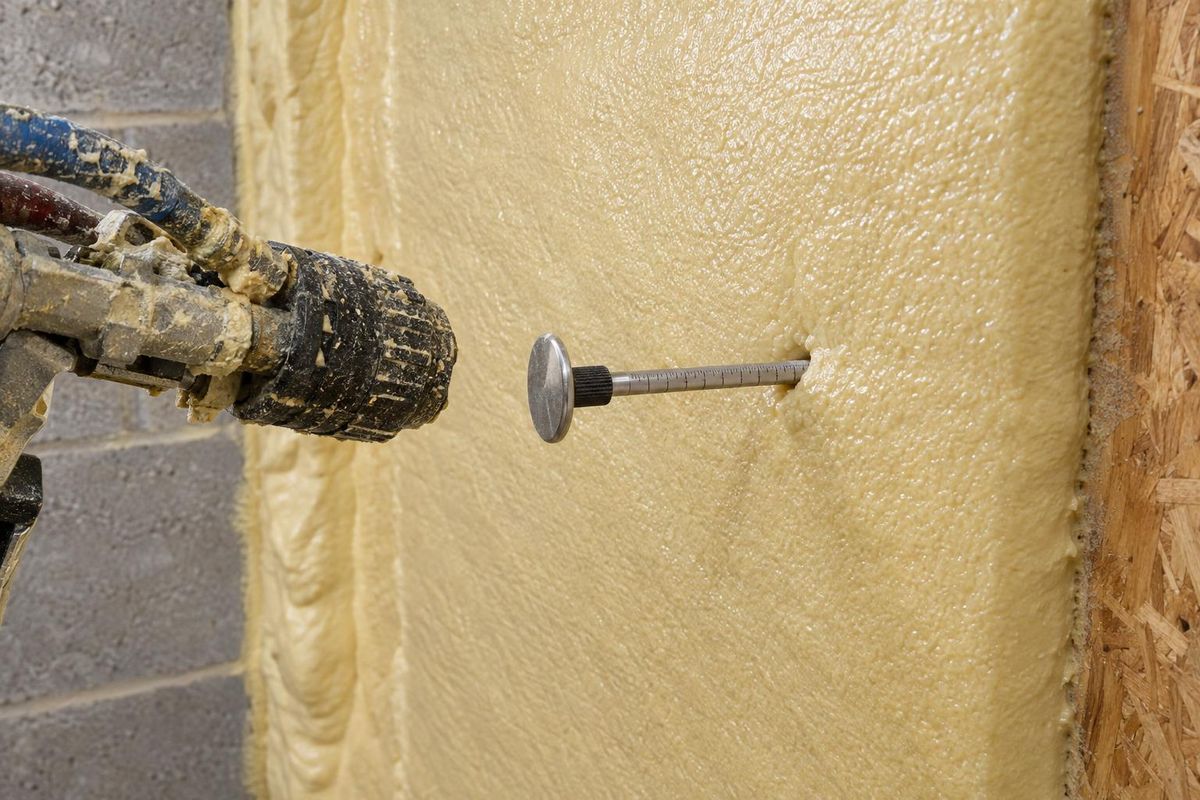
An infrared scan shows it, and a small test hole can confirm. Older homes often have little or none.
Do high bills always mean poor insulation?
Not always. Equipment, ducts and usage matter too, which is why an audit looks at everything.
Why is my upstairs hotter than my downstairs?
Heat rises, the attic is hot and upstairs ceilings often have the thinnest insulation.